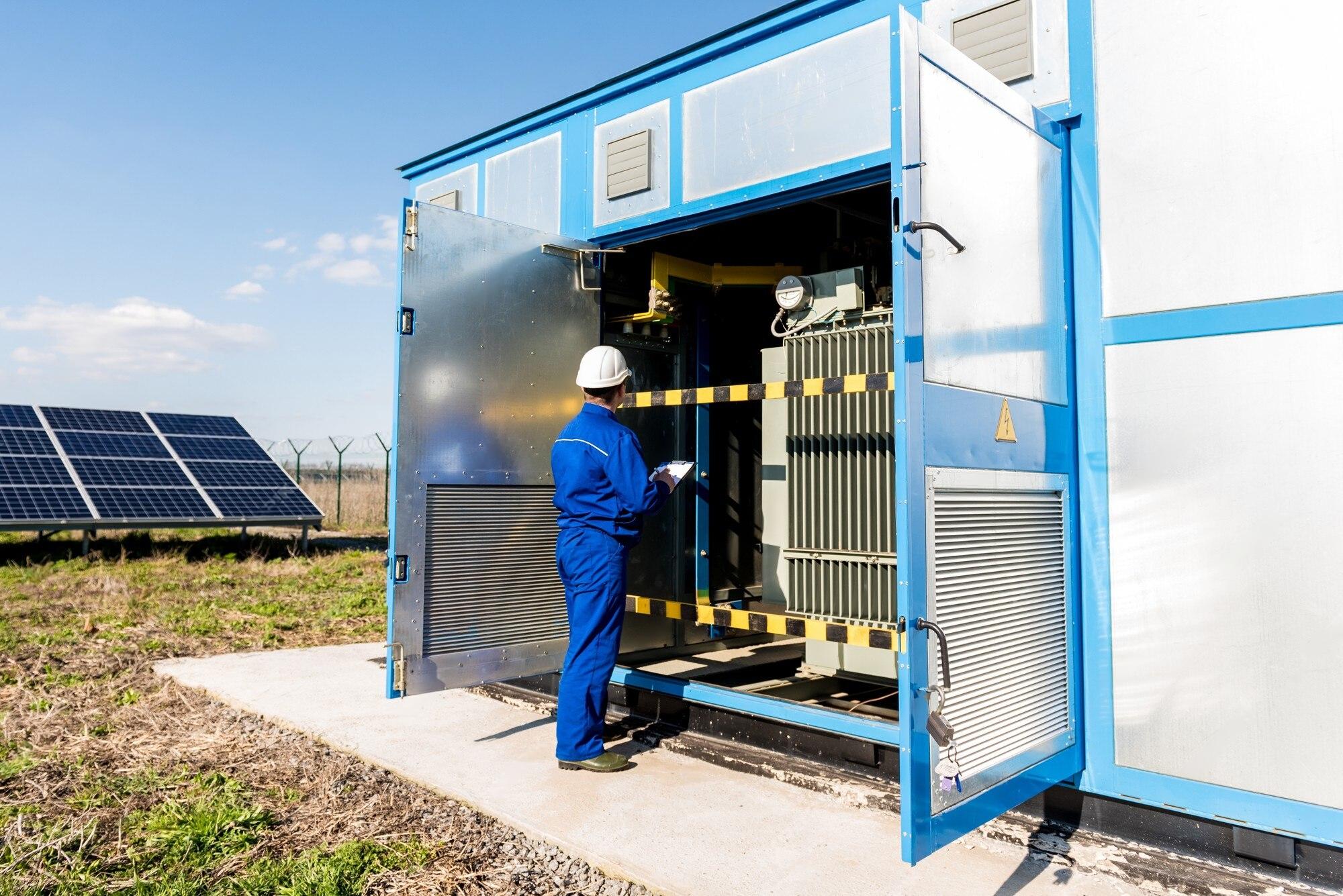
An off-grid solar system operates independently of the utility power grid. It typically includes battery storage to store excess energy generated during the day for later use when the sun isn’t available.
Limitations of an Off-Grid Solar System
Higher Initial Cost: Off-Grid solar systems require additional equipment, such as batteries and charge controllers, to store and regulate electricity. These components add to the upfront cost, making offgrid systems more expensive compared to ongrid systems.
Limited Energy Storage: Batteries used in off-grid systems have limited capacity and lifespan. They may not be able to store enough energy to meet your power needs during extended periods of low sunlight, such as during cloudy days or long winters. This can lead to energy shortages and the need for backup generators. See how solar compares with a generator for backup in Pakistan.
Maintenance and Replacement: OffGrid solar systems require regular maintenance and periodic replacement of batteries, which adds to the overall cost and hassle. Batteries have a finite lifespan, and their replacements can be a significant investment.
Why is an On-Grid Solar System Preferred over an Off-Grid Solar System?
Cost-Effectiveness and Affordability
An on-grid solar system offers significant cost savings compared to an off-grid system. The absence of expensive battery storage reduces the upfront cost substantially. Utilizing the grid as a backup source eliminates the need for complex and costly maintenance associated with off grid systems.
Reliability and Uninterrupted Power Supply
With an on-grid solar system, you don’t have to worry about energy shortages or power outages. The grid serves as a backup, ensuring a reliable power supply even on cloudy days or during increased energy consumption. You can enjoy uninterrupted electricity, just like you would with your conventional power connection.
Net Billing and Exported Units
By choosing an on-grid solar system, you can connect to the grid under net billing. Net billing lets you sell surplus electricity to your DISCO at about Rs 11 per unit, while every unit you use yourself saves the full tariff of about Rs 55 to 65. Systems approved under net metering before 9 February 2026 keep their old terms until the agreement expires. This financial benefit helps offset your upfront investment, making the switch to solar power even more appealing.
Conclusion
When it comes to choosing between an ongrid and offgrid solar system, the benefits of an ongrid system clearly outweigh those of an offgrid system. Its cost-effectiveness, reliability, and the ability to sell surplus power under net billing make it an attractive choice for residential and commercial use. Furthermore, an ongrid system offers a seamless transition to clean, renewable energy without compromising on your power needs. So, join the solar revolution and go ongrid for a brighter energy future!