
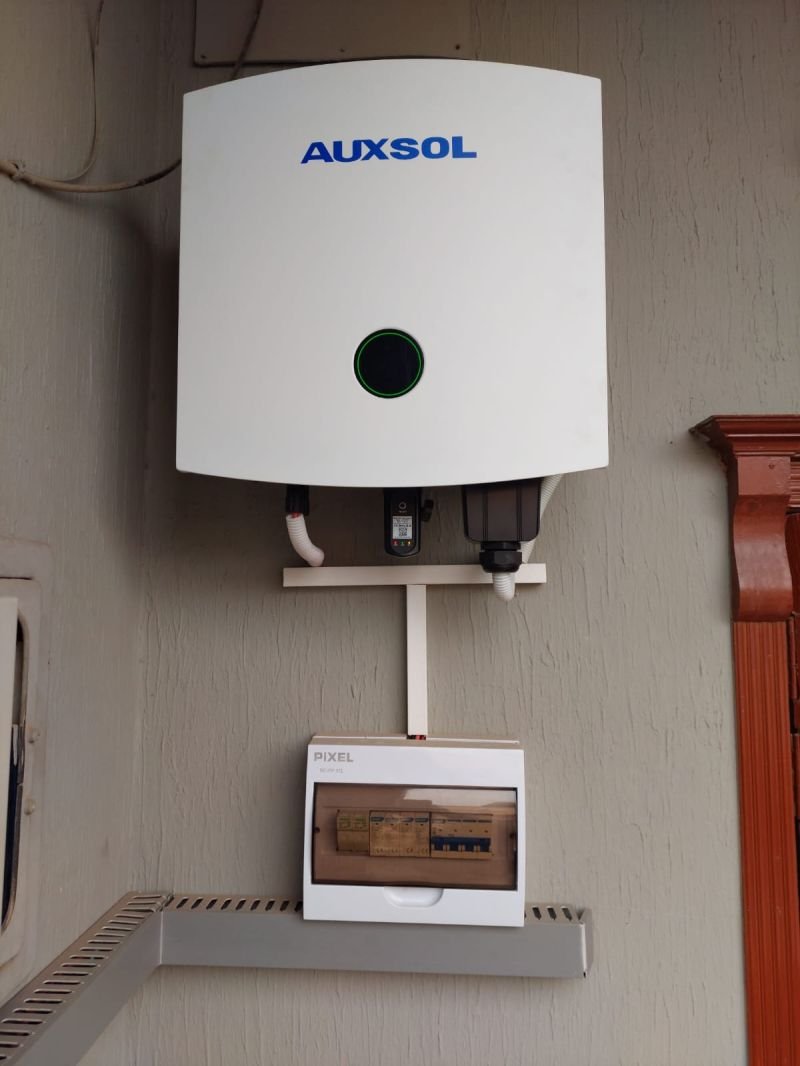
Lithium batteries have quietly become the best upgrade you can make to a solar system in Pakistan, and the 2026 net-billing rules made them considerably more valuable than they were a year ago. SNM Solutions now fits lithium storage on most hybrid installations. Here is why.
Net billing made storage genuinely profitable
Since 9 February 2026, electricity you export to the grid earns about Rs 11 per unit, while every unit you consume yourself saves the full tariff of roughly Rs 55 to 65.
That single change transformed the economics of a battery. Before, surplus daytime generation could be exported at close to retail value, so storage was mainly about backup. Now, a unit stored at midday and used at 8pm is worth about five times what the same unit earns as an export. A lithium battery is no longer just insurance against load-shedding; it is the part of the system that captures the value net billing would otherwise take away.
What lithium actually gives you
- Around 6,000 charge cycles, against roughly 1,500 for a good tubular battery. In daily home use that is ten to fifteen years instead of three to five.
- 80 to 90 percent usable capacity. Lead-acid batteries should not be discharged below about half, so a 10 kWh lithium bank delivers 8 to 9 usable kWh where a 10 kWh tubular bank gives you around 5.
- Roughly 95 percent round-trip efficiency, compared with about 80 percent for lead-acid. Less of your solar generation is lost simply moving in and out of storage.
- Faster charging, which matters in a Lahore winter when useful sunlight is short and smog cuts output.
- No maintenance at all. No topping up water, no acid, no fumes, no dedicated ventilated battery room.
- A fraction of the size and weight, so it mounts on a wall instead of occupying a corner of a room.
- A built-in Battery Management System that balances cells and protects against overcharge, deep discharge and overheating.
Real lithium installations by SNM Solutions
These are documented systems our team has installed and commissioned, not stock examples:
- 25 kW hybrid and on-grid system in DHA Phase 8, Lahore with a 10 kWh lithium bank
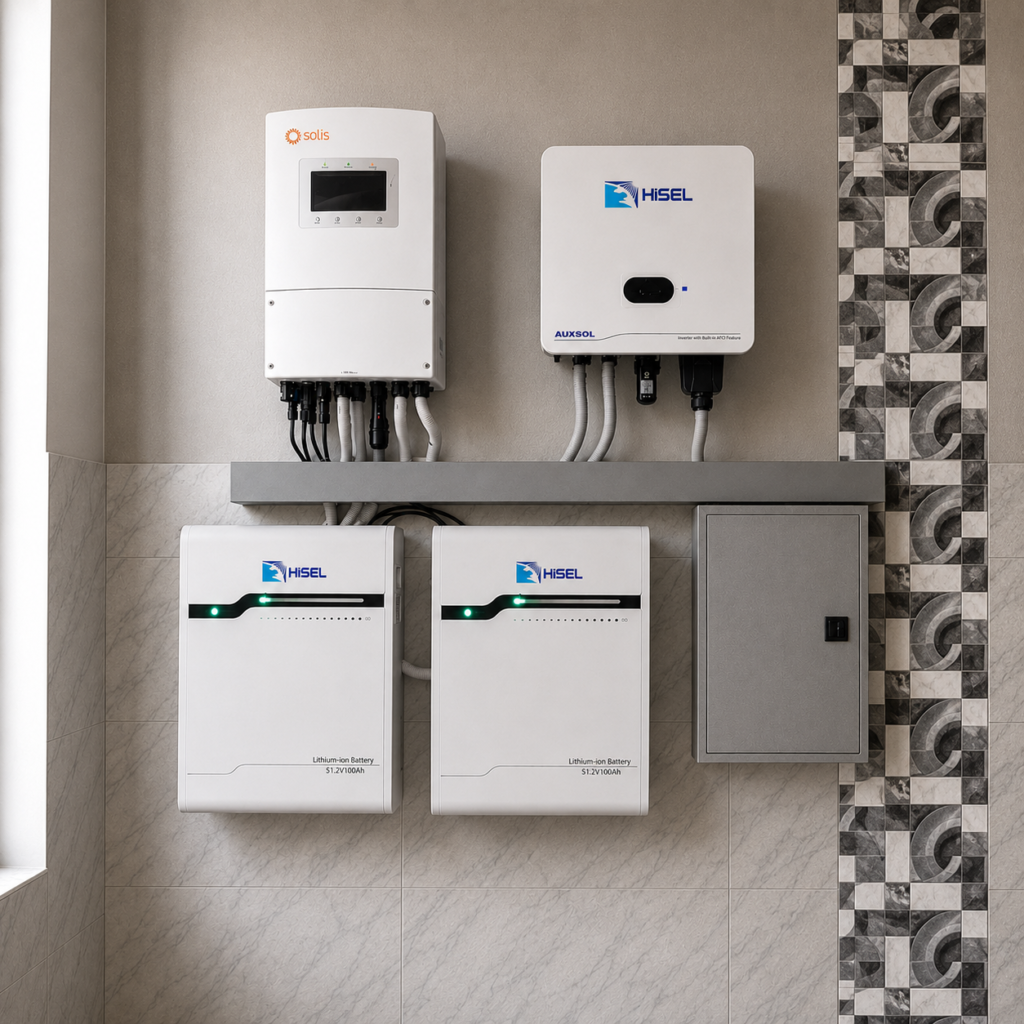
- 30 kW hybrid and on-grid system in DHA Phase 8, Lahore with a 10 kWh Hisel lithium battery
- 16 kW hybrid and on-grid system in Valencia, Lahore with a 5 kWh lithium battery
- 15 kW hybrid system in Gulberg, Lahore with 5 kWh lithium backup
Across more than 7,000 installations and 45,000 kW deployed nationwide, SNM Solutions has moved almost entirely to lithium on hybrid systems because the service calls, replacements and customer complaints that came with lead-acid simply stopped.
Cost, honestly
Lithium costs more on the first day. That is the whole of the downside, and it is worth stating plainly.
SNM’s published rates are approx Rs 80,000 to Rs 100,000 per kW for on-grid and approx Rs 135,000 to Rs 170,000 per kW for hybrid, installed. The difference covers the lithium bank and the hybrid inverter together. Measured across the life of the equipment, lithium is normally the cheaper option per usable kilowatt-hour, because you buy it once instead of replacing a lead-acid bank three or four times over the same period.
Because the battery is bought for backup as much as for savings, we leave it out of the payback calculation. On that basis both on-grid and hybrid systems return their cost in roughly 2 to 3 years at current tariffs. For the monthly difference on the same roof, see on-grid vs hybrid solar compared.
Sizing it properly
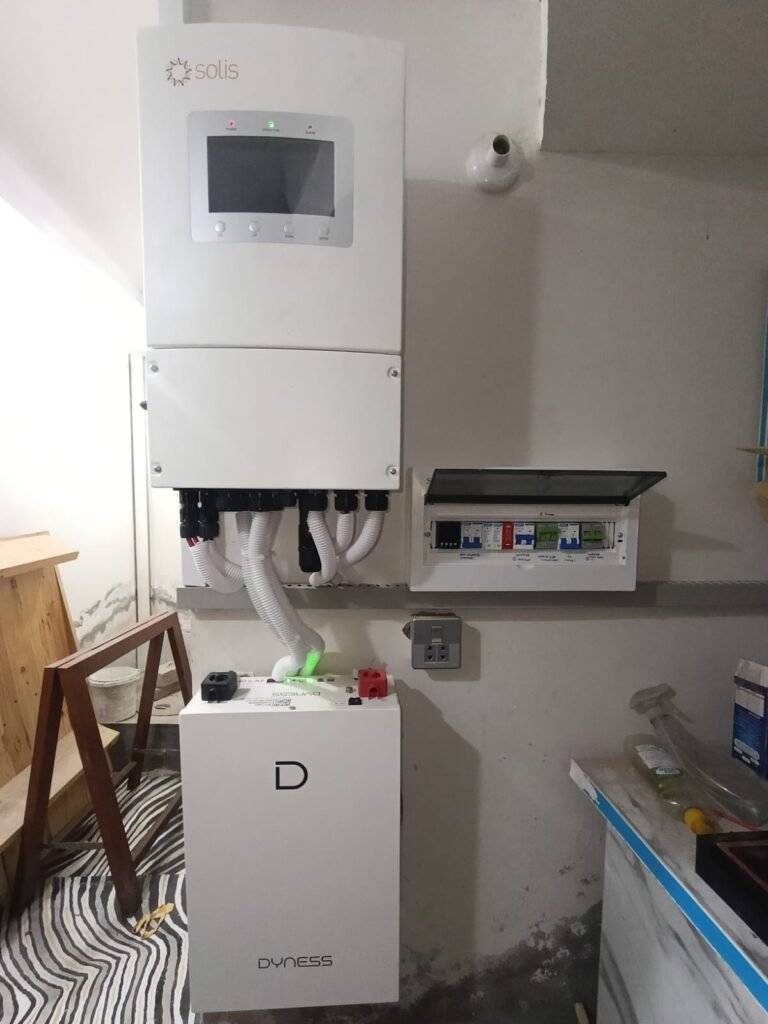
Size the battery to your evening and night load, not your total daily consumption. Lights, fans, a refrigerator and one air conditioner through the evening is typically 5 to 10 kWh for a Lahore home. Oversizing wastes money; undersizing leaves you back on the grid at 10pm. SNM sizes the bank from your actual usage during the free site survey rather than from a price list.
Getting the most from it
- Install it cool and shaded. Heat is the main enemy of battery life, so indoors and ventilated beats an exposed rooftop.
- Shift heavy loads into daylight where you can. The battery is for the hours the sun cannot cover.
- Buy documented cells with a real warranty. The Pakistani market has plenty of relabelled and second-life cells. We install only traceable batteries with a manufacturer warranty we can actually claim against.
Frequently asked questions
Are lithium batteries worth it for solar in Pakistan?
Yes, for most homes. A lithium (LiFePO4) battery lasts roughly 6,000 charge cycles against about 1,500 for a tubular battery, and it can safely use 80 to 90 percent of its rated capacity instead of around 50 percent. So a 10 kWh lithium bank gives you 8 to 9 kWh of usable power for 10 to 15 years, where a lead-acid bank of the same rating gives you about 5 kWh for 3 to 5 years. SNM Solutions installs lithium on most hybrid systems for exactly that reason.
How long does a lithium solar battery last in Pakistan?
Ten to fifteen years in normal home use. LiFePO4 cells are rated for around 6,000 cycles, and a home system typically completes one cycle a day. Heat shortens life, so SNM installs batteries in a ventilated, shaded indoor location rather than on an exposed roof.
Lithium or tubular battery, which is better?
Lithium wins on lifespan, usable capacity, efficiency, charging speed, weight and maintenance. Tubular costs less on day one. Measured per usable kilowatt-hour across the battery’s life, lithium is normally the cheaper option, which is why it is now standard on SNM hybrid installations.
Does a lithium battery need maintenance?
No. There is no water to top up, no acid, no fumes and no dedicated ventilated battery room. The built-in Battery Management System handles cell balancing, temperature and safe charge limits automatically.
How much does a lithium battery add to a solar system?
SNM’s published hybrid rate is approx Rs 135,000 to Rs 170,000 per kW installed, against approx Rs 80,000 to Rs 100,000 per kW for on-grid. That difference covers the lithium battery bank and the hybrid inverter together. For an exact figure on your battery size, send us your bill and evening load on WhatsApp.
What size lithium battery do I need?
Size it to your evening and night load, not your whole daily usage. Most Lahore homes running lights, fans, a fridge and one air conditioner in the evening are well served by 5 to 10 kWh. SNM sizes the bank from your actual usage pattern during the free site survey.
See solar system prices in Lahore, the full price list by size, or read how net billing changed the maths in 2026.
Thinking about adding storage?
Send your last electricity bill and a note of what you run in the evening to 0321 878 3630. SNM Solutions will size the battery from your real usage and send an itemised quote, free.
Comparing storage types? Read lithium vs tubular batteries in Pakistan.
Pairing storage with a hybrid inverter? See hybrid inverter prices.
For current figures see lithium battery prices in Pakistan, with price per kWh and usable capacity.
Shopping by brand? See Hisel lithium battery prices in Pakistan.